
Record the known source without opening the building
Describe when water was discovered, which fixture or supply line may be involved and whether the source was already addressed. Do not enter wet electrical areas or open walls to investigate. A plumber’s source repair and a restoration business’s material assessment may require separate appointments.
Follow the water beyond the obvious spot
Water can reach adjoining rooms, insulation, subfloor layers or the ceiling below. Provide the layout and any safe existing photographs. Ask which areas will be assessed and what additional access would need permission; a single stain cannot establish the full affected area.
Separate the written scopes
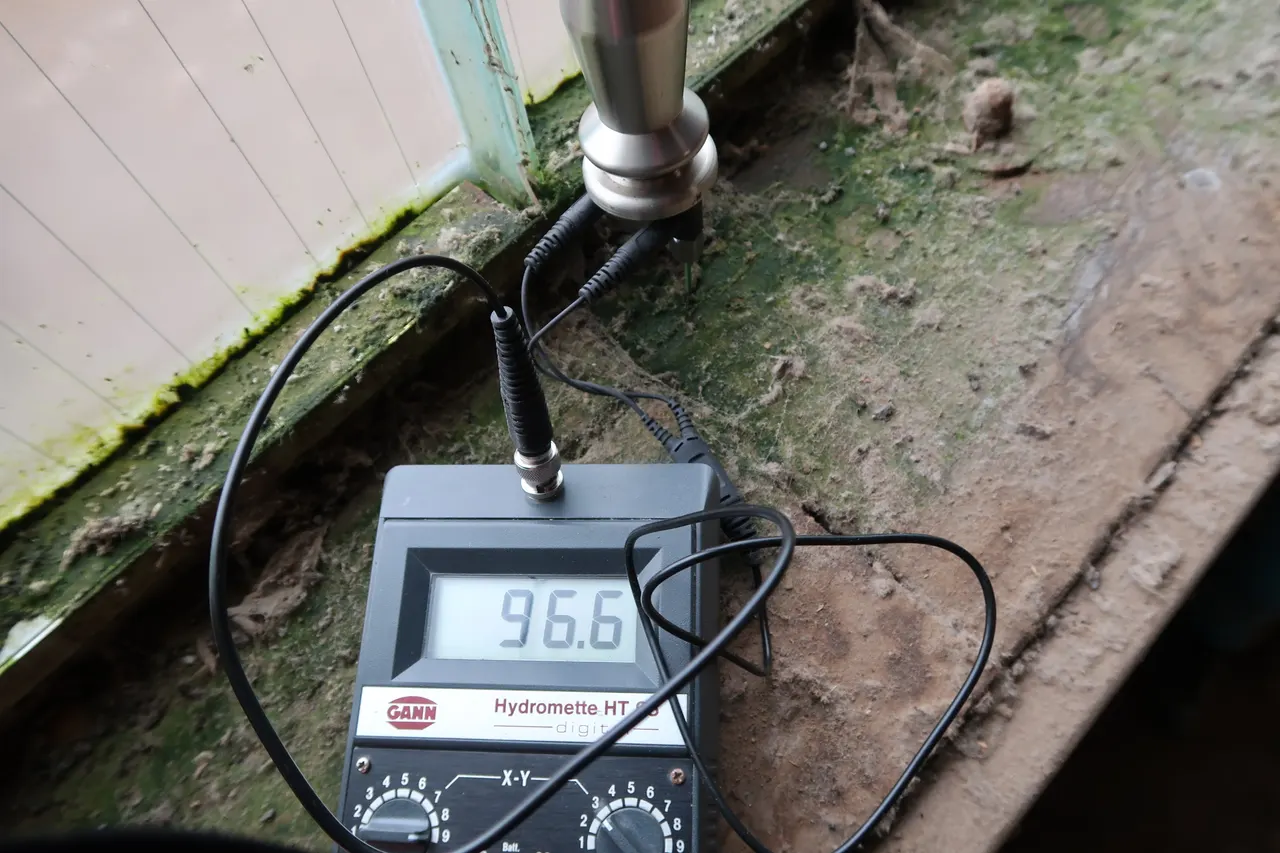
Ask who repairs the failed component, who measures and dries materials, and who restores finishes. Obtain the charge for the assessment and the approval process for removal or expanded work. Confirm testing of the repaired source separately from drying completion.
Prepare access and responsibility
In a rented home or shared building, identify the person who can approve entry, source repairs and opening finishes. Record the business names, findings and proposed work boundaries so that plumbing and restoration decisions do not leave an unassigned task.
Related water-recovery work
Prepare the next step
Use the water-recovery call planner to keep your observations and questions organized.
- Entry permissionResponsible authority sets access limits.
- AssessmentBusiness records rooms, materials and work limits.
- Written scopeYou clarify charges, exclusions and approvals.
- Completion recordsKeep findings before the rebuilding handoff.