
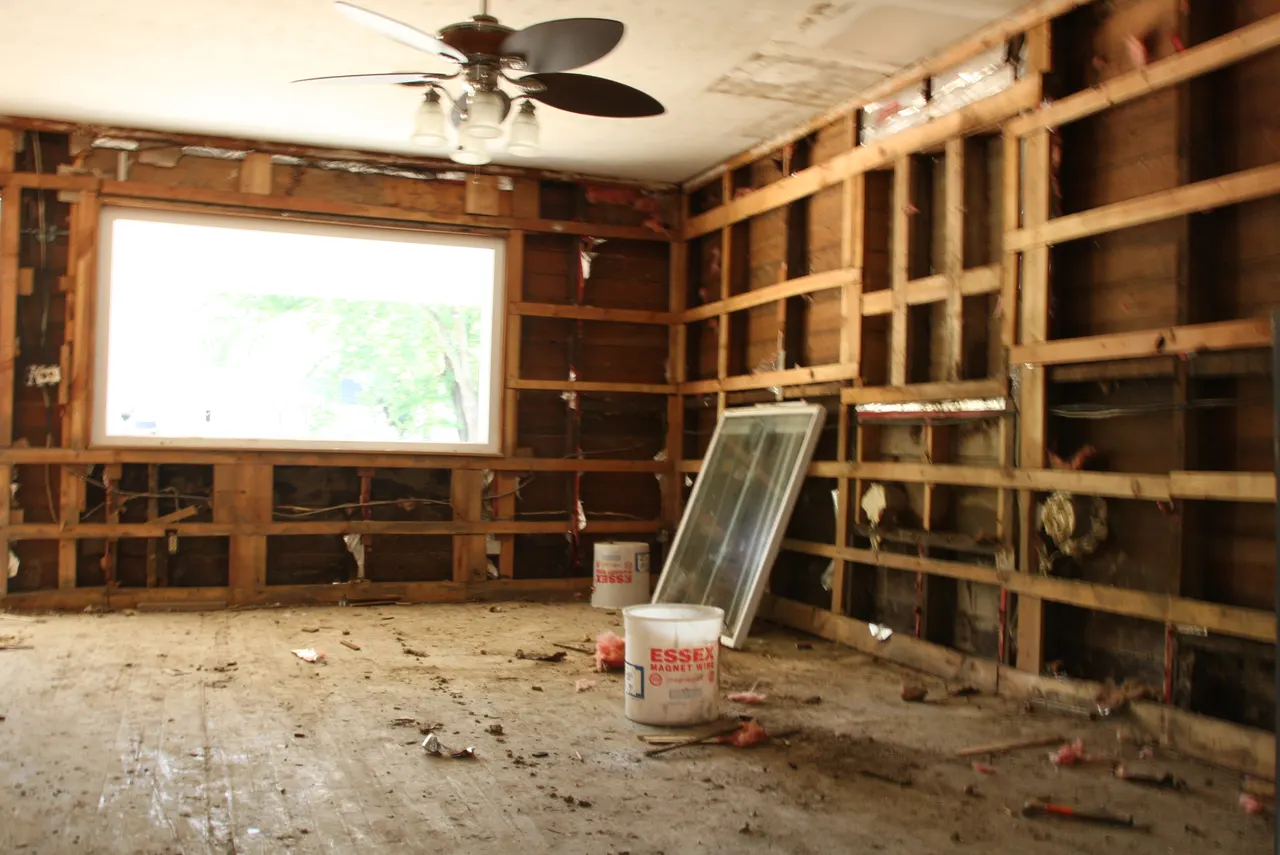
Respect entry and public-response limits
Follow emergency, utility and building-authority instructions. Do not enter floodwater or a restricted property to prepare a quote. If danger is immediate, contact 911. A restoration inquiry does not replace an emergency response or an official entry decision.
Describe the route water took
From information already available safely, note whether water entered through a door, wall, basement or other opening and whether a public drainage or sewer report exists. Ask the business whether it accepts that water condition and the exact location before arranging an assessment. For this specific decision, read What to Photograph and Record Before Storm-Water Cleanup in Greensboro.
Ask about contamination and disposal
The scope may involve more than removing visible water. Ask which materials and contents will be assessed, what disposal or cleaning decisions need authorization, and whether another qualified specialist is needed. A website description cannot classify the actual water or prescribe a cleanup method.
Keep recovery and coverage records separate
Maintain incident dates, official report references and written proposals. Ask your insurer directly about notice, documentation and authorization requirements. A restoration assessment establishes observations and proposed work; insurance terms are a separate determination.
Related water-recovery work
Prepare the next step
Use the water-recovery call planner to keep your observations and questions organized.
- Entry permissionResponsible authority sets access limits.
- AssessmentBusiness records rooms, materials and work limits.
- Written scopeYou clarify charges, exclusions and approvals.
- Completion recordsKeep findings before the rebuilding handoff.