
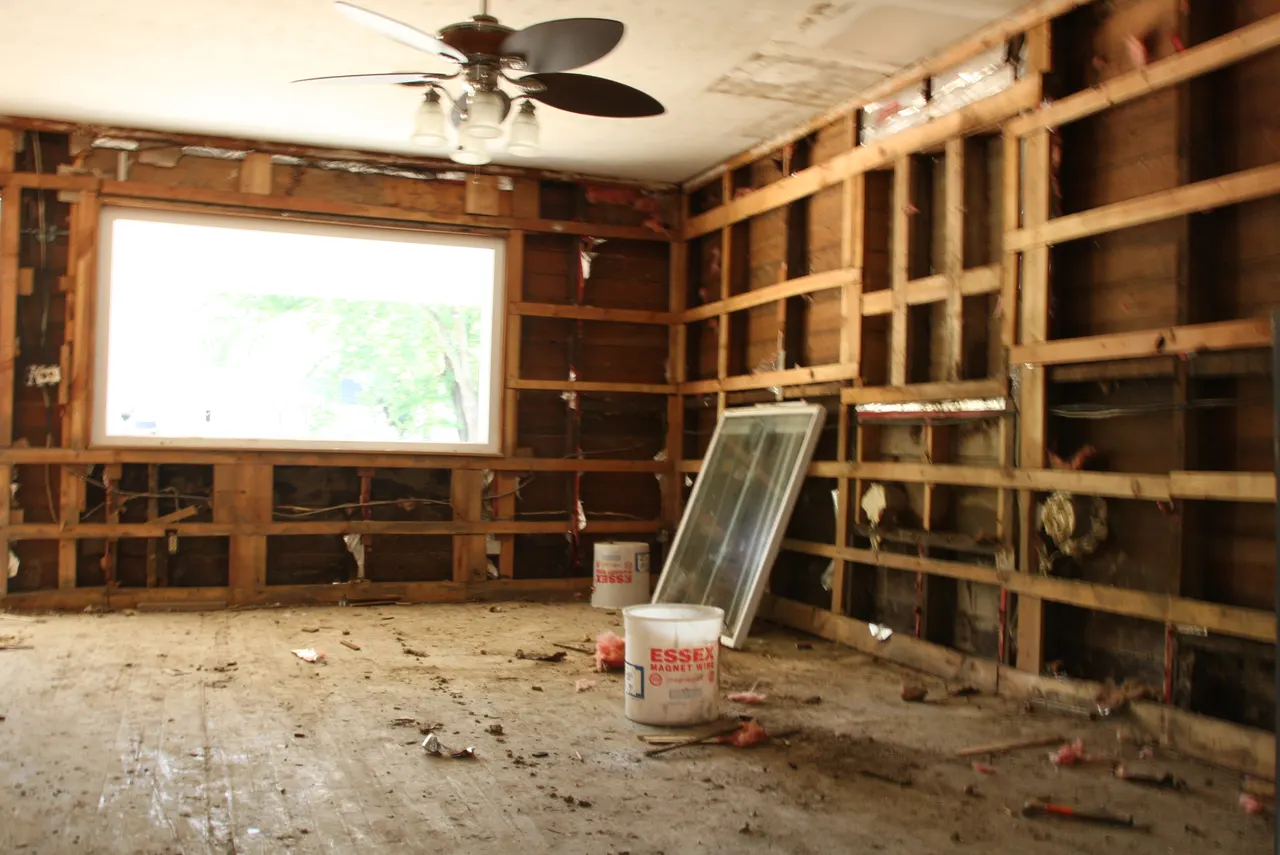
Separate safe access from the removal decision
A wet room may also contain electrical, structural or contaminated-water hazards. Describe what you can already observe from a safe position and follow the responsible authority’s entry instructions. A telephone discussion cannot clear a building for entry.
Ask where the water reached
Give the room, floor level and the discovery time. Water under cabinets or between floor layers can be less visible than the surface puddle. Ask which accessible areas will be checked, what uncertainty remains and whether moving contents or removing finishes requires separate permission.
Compare the removal boundary
A proposal should identify which rooms, materials and water conditions it covers. Ask whether pumping or extraction includes disposing of affected materials, handling belongings, documenting moisture or supplying drying equipment. Keep source repairs and rebuilding separate unless the written scope includes them.
Prepare the property details
For a Greensboro-area address, distinguish an interior supply failure from water associated with a public sewer, street or drainage system. Keep any utility report reference with the room list. A public-system report and a private restoration assessment serve different purposes.
Related water-recovery work
Prepare the next step
Use the water-recovery call planner to keep your observations and questions organized.
- Entry permissionResponsible authority sets access limits.
- AssessmentBusiness records rooms, materials and work limits.
- Written scopeYou clarify charges, exclusions and approvals.
- Completion recordsKeep findings before the rebuilding handoff.