
Start with measurements and material decisions
Ask which materials will be tested, where readings are taken and how the initial observations are recorded. A dry-looking surface and a concealed floor or wall assembly are different evidence. The proposed drying plan should identify what can be dried and what requires another assessment. For this specific decision, read Renting a Dehumidifier or Asking About Measured Drying in Greensboro.
Understand the equipment plan
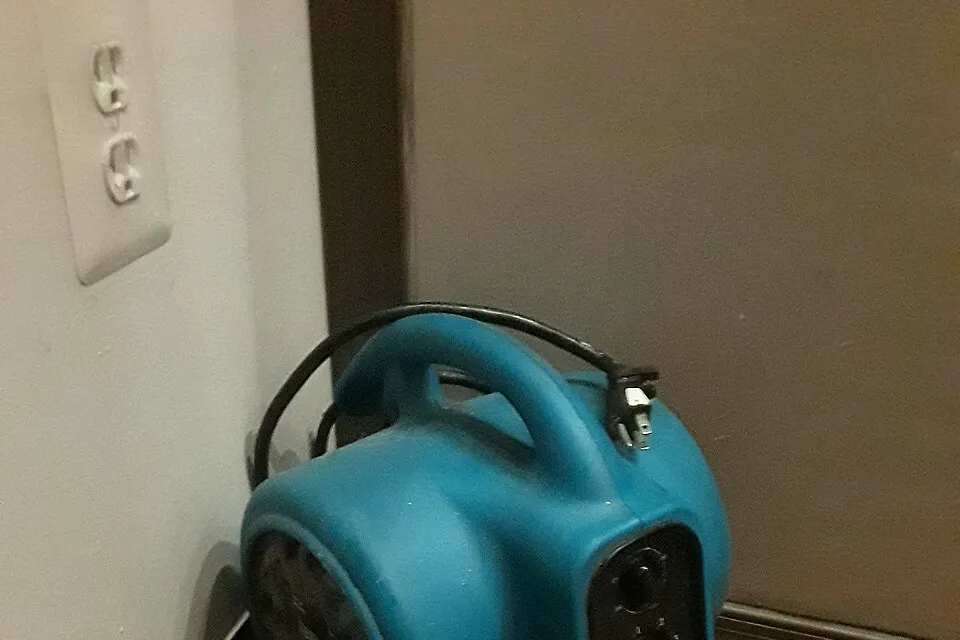
Air movers and dehumidifiers have different roles. Ask where equipment belongs, what circuits it needs and what operating instructions you should follow. Do not move equipment, open assemblies or change ventilation merely to speed up the process without the responsible professional’s direction.
Clarify monitoring and changing charges
Request the monitoring schedule, responsible contact and criteria for changing or removing equipment. Ask which charges are daily, which are fixed, and how revised work is approved. An estimated duration is not a guarantee for every material or room.
Keep the rebuilding handoff explicit
Before replacement finishes conceal the assembly, ask for the completion record and remaining limitations. A recurring moisture source, unresolved odor or suspect material needs its own assessment. Drying and rebuilding should have identifiable owners and approvals.
Related water-recovery work
Water removal and extraction ↗
Prepare the next step
Use the water-recovery call planner to keep your observations and questions organized.
- Entry permissionResponsible authority sets access limits.
- AssessmentBusiness records rooms, materials and work limits.
- Written scopeYou clarify charges, exclusions and approvals.
- Completion recordsKeep findings before the rebuilding handoff.